Playing Casino in Auckland: Access and Rules
 Available in US
A practical overview of online casino access, SkyCity Auckland, local gaming rules and the conditions attached to casino bonuses.

Table of Contents
- Online Casino Access in New Zealand: The Rules in 2026
- SkyCity Auckland: The Land-Based Casino
- Casino Age Limits in Auckland
- Auckland Casino Opening Hours and Holiday Closures
- Casino Gaming Machines, Pub Machines and How Pokies Work
- Free Spins and No-Deposit Offers: What the Bonus Actually Requires
- Comparing Bonus Value by Turnover, Not the Headline Amount
- Welcome Bonuses: The Cost Behind the Sign-Up Offer
- Free Casino Chips and Codes: Check the Conditions Before Counting Them
Online Casino Access in New Zealand: The Rules in 2026
New Zealand’s online casino rules changed during 2026, but the change did not make every offshore website part of a domestic licensing system overnight. The position depends on when an operator began serving people in the country and whether it qualifies under the transition set out in the new law.
The Gambling Act 2003 bars online casinos from being based in New Zealand. It did not, however, make it illegal for New Zealand residents to play on casino websites operated offshore. Before the new legislation, those services were not licensed or supervised by a New Zealand regulator. A customer using one therefore had no domestic government recourse if a dispute arose. The distinction is material: the restriction concerned where an online casino could be based, not a criminal penalty imposed on a player for using an offshore site.
The Online Casino Gambling Act 2026 took effect on 1 May 2026 and introduced New Zealand’s first domestic licensing framework for online casino gaming. The Department of Internal Affairs is responsible for allocating licences, with the system providing for no more than 15. That establishes a route for regulated online casino operation in New Zealand; it does not mean every website accepting local customers already holds a New Zealand licence.
Choosing an online casino while in Auckland calls for checking the details that matter to you before you play. This list offers a concise reference to the information available for each operator.
License: Tobique Gaming Commission, licence no. 0000064 Neospin lists a licence from the Tobique Gaming Commission, number 0000064.
License: Malta Gaming Authority, licence no. MGA/B2C/370/2017 Play Grand lists a Malta Gaming Authority licence, number MGA/B2C/370/2017.
License: Tobique Gaming Commission, licence no. 0000091 7Bit Casino lists a licence from the Tobique Gaming Commission, number 0000091.
Payout speed: 1-3 business days Wintino states a payout speed of 1–3 business days.
Payout speed: 1-3 business days Lamabet states a payout speed of 1–3 business days.
License: Tobique Gaming Commission, licence no. 0000002 Ricky Casino lists a licence from the Tobique Gaming Commission, number 0000002.
License: Malta Gaming Authority, licence no. MGA/B2C/394/2017 N1 Casino lists a Malta Gaming Authority licence, number MGA/B2C/394/2017.
License: 07017519840 · Payout speed: 1-3 business days Zotabet lists licence number 07017519840 and states a payout speed of 1–3 business days.
License: Curaçao Gaming Authority, licence no. OGL/2024/165/0185 BitStarz lists a Curaçao Gaming Authority licence, number OGL/2024/165/0185.
The transition period
The new framework includes a transition from 1 May to 1 December 2026. An online casino that was already providing services to people in New Zealand before 1 May may continue operating during that period under the Act’s transitional provisions. This is a temporary arrangement, not a permanent substitute for a licence.
The full licensed regime is not expected to be operational until 2027. The interim period therefore sits between the law taking effect and the new system being fully in place. The government is moving from a market in which offshore services lacked domestic oversight towards one in which online casino operators must enter the New Zealand licensing framework to continue operating.
A specialist review describes overseas-licensed operators accepting New Zealand customers as operating in a grey area while that framework is being established. That description should be read in the context of the transition: it is not the same as saying that every such operator has already been approved locally, nor does it change the rule that players are not criminalised for playing offshore. The legal position of the operator and the legal position of the customer are separate questions.

From 1 December 2026, the transitional permission ends. Operators that do not have a valid licence cannot continue offering online casino services to New Zealanders. The wider market constraints also require providers that have not applied for a licence to cease conducting online casino gambling in New Zealand by that date. An application is not the same as an approved licence, and a provider whose application is declined must leave the market rather than carry on without authorisation. Unlicensed operation is expected to become an offence from around mid-2027.
What the change means for customers
For someone considering online casino play in Auckland, the date and status of the operator matter more than the location named on a website. A service may be based overseas and still have been able to operate during the transition if it was already serving New Zealand before 1 May 2026. That transitional status does not provide the same assurance as a New Zealand licence, and the pre-reform absence of local supervision meant there was no domestic government route for resolving a customer dispute.
The new system is designed to change that regulatory position, but the transition should not be mistaken for immediate, universal coverage. The law provides for a limited number of licences, allocated by the Department of Internal Affairs, while the complete regime is expected to take until 2027 to become operational. The dates matter: 1 May marks the law’s commencement, 1 December ends the transitional permission, and the expected full operation comes later.
Gambling winnings are not taxed in New Zealand when they are earned by recreational players, regardless of whether the operator is located locally or offshore. That tax treatment does not decide whether an operator is licensed, supervised or entitled to keep serving the market after the transition. Tax and regulatory status are separate parts of the calculation.
Attention: Transitional status for offshore operators does not provide the same assurance as a New Zealand licence, and there is no domestic government route for resolving customer disputes under the pre-reform system.
Casino gaming areas in New Zealand are restricted to people aged 20 and over. That age rule concerns casino gaming; it does not alter the separate legal distinction between a player using an offshore site and an operator’s right to provide services in New Zealand. For online access in 2026, the central change is the move from an offshore market without domestic supervision to a licensing system with a defined transition and an end date for operators that do not qualify.
SkyCity Auckland: The Land-Based Casino
SkyCity Auckland is the city’s named land-based casino, located at the corner of Victoria and Federal Streets. It opened on 2 February 1996. That date and address provide a fixed point of reference when distinguishing the physical venue from online casino services associated with the same operator.
The distinction matters because SkyCity’s Auckland operation is connected to a specific online casino licence held by SkyCity. The licence relates to the operator’s land-based operation; it does not turn the physical venue and its online service into the same thing. One is a casino at a stated Auckland address, while the other is an online service. The shared operator is the link, not a shared format.
For anyone comparing Auckland casinos, the known detail is unusually concrete: SkyCity Auckland has a recorded opening date and a central street-corner location. The venue began operating in 1996, at the intersection of Victoria and Federal Streets. These details identify the physical casino without relying on promotional language or implying anything about its facilities, current services or the scale of its operation.

The online licence connection should also be read narrowly. SkyCity alone holds a specific online casino licence tied to its land-based operation. That is a statement about the relationship between the operator’s physical and online businesses; it is not a reason to treat every online casino as an extension of a venue in Auckland. Nor does the existence of a physical casino establish that an online service has the same features or conditions as the venue itself.
This separation is useful when the phrase “casino in Auckland” could refer either to a place to visit or to online play available to someone in the city. In the land-based sense, the reference here is SkyCity Auckland, at Victoria and Federal Streets. In the online sense, the relevant distinction is the operator’s specific licence and its link to the land-based business. Keeping those meanings apart prevents a location, an operator and a licence from being treated as interchangeable.
The venue is therefore best identified by what can be stated plainly: SkyCity Auckland opened on 2 February 1996 and stands at the corner of Victoria and Federal Streets. Its association with SkyCity’s online casino licence is a separate point about the operator. Neither detail requires assumptions about other Auckland venues or about online services beyond that specific connection.
Casino gaming areas in New Zealand are restricted to people aged 20 and over, including at a land-based venue such as SkyCity Auckland. That threshold concerns casino gaming; it should not be confused with the separate question of how online services are regulated.
For a concise identification, SkyCity Auckland is the physical casino opened in 1996 at Victoria and Federal Streets. SkyCity’s specific online casino licence is linked to its land-based operation, but the physical venue remains distinct from the online service. The location establishes where the casino is; the licence establishes a particular connection between the operator’s two forms of business.
SkyCity Auckland is the physical casino located at the corner of Victoria and Federal Streets, opened on 2 February 1996, and is distinct from its linked online casino service.
Casino Age Limits in Auckland
The minimum age for casino gambling in Auckland is 20. New Zealand rules restrict casino gaming areas to people aged 20 and over, so being old enough to enter the city or visit a surrounding hospitality area does not establish eligibility to gamble on the casino floor. The relevant threshold is the age for casino gaming, not simply whether a person can enter the wider venue.
That rule concerns casino gambling areas. It should not be treated as a complete answer to whether online gambling is lawful: online access is governed by a separate regulatory framework, and the age threshold alone does not establish an operator’s legal status. The two questions—who may gamble in a casino and which online services may operate—are distinct.
For land-based play, the practical test is straightforward: anyone under 20 cannot use the casino gaming areas. Staff may need to confirm age, so identification is relevant where eligibility is in doubt. The age restriction is a condition of access to gambling, not a discretionary house preference.
A separate safeguard is self-exclusion. New Zealand venues must provide a way for a person to exclude themselves from gambling for a period of up to two years. This is a formal restriction on future casino gambling, rather than a cooling-off suggestion. The duration can be chosen within that permitted maximum, making it a practical option for someone who wants a defined break from gambling at venues.

Age eligibility and self-exclusion address different issues: one sets who may gamble, while the other provides a route to stop. Neither changes the separate legal questions surrounding online casino services.
Auckland Casino Opening Hours and Holiday Closures
According to the venue’s published opening-hours information, SkyCity Auckland operates around the clock throughout the week. The stated exceptions are Christmas Day, Good Friday and part of Anzac Day. That makes the regular answer to whether the Auckland casino is open straightforward: it is, unless one of those holiday closures applies.
The Anzac Day exception is specific. The casino is closed from 3am until 1pm, then its regular operation resumes. This is a morning closure rather than a full-day closure, so the relevant distinction is the time of the visit. The published schedule does not identify a separate closing time after 1pm.
Christmas Day and Good Friday are listed as exceptions to the continuous schedule, but no opening or closing times are specified for those dates. They should therefore be treated as holiday closures, not as ordinary days with a shorter stated session. The schedule gives no separate hours for the evening before or the day after either holiday.
Regular hours and holiday exceptions
| Day or period | Published operating schedule |
|---|---|
| Regular days | Open 24 hours a day, seven days a week |
| Christmas Day | Listed as an exception to the regular schedule |
| Good Friday | Listed as an exception to the regular schedule |
| Anzac Day, 3am to 1pm | Closed |
| Anzac Day, after 1pm | Regular operation resumes |
The table distinguishes the normal schedule from the stated exceptions without assigning unlisted hours to a holiday. In particular, the Anzac Day time window should not be applied to Christmas Day or Good Friday: those dates have their own exception status, but no equivalent time range is given.
For a visit planned around a public holiday, the practical point is to check which date applies and whether the published exception covers the intended time. A 24-hour schedule means there is no regular daily closing hour to work around; it does not mean every calendar date follows the standard pattern. The holiday clauses are the material qualification.
An overnight visit can also cross from one calendar date into another. The relevant exception is the date and time when the closure falls, rather than the fact that the visit began on a regular operating day. On Anzac Day, for example, the stated closure starts at 3am and ends at 1pm. A visit spanning that interval would encounter the closure even if it began before 3am.
These hours concern the casino venue’s operating schedule. They do not establish separate times for individual facilities within it, and the stated holiday exceptions should not be read as a detailed timetable for every part of the complex. The available schedule is narrower: continuous operation on regular days, with the named holiday exceptions and a defined Anzac Day closure.
For the specific question “is the Auckland casino open”, the schedule therefore depends on the date. On a regular day, it operates continuously. On Christmas Day and Good Friday, the published information identifies an exception; on Anzac Day, it closes from 3am to 1pm and resumes afterwards.

Casino Gaming Machines, Pub Machines and How Pokies Work
In Auckland, the type of venue determines which machines are available. Gaming machines inside a casino, such as SkyCity’s pokies, are part of a licensed casino operation. Class 4 machines are located in pubs and clubs instead; they are not casino-floor machines.
A specialist casino review reports that current rules cap a Class 4 stake at $2.50 per play. That lower limit distinguishes these machines from casino gaming, but it does not change how an individual result is generated. Each spin on a modern pokie is decided by a random number generator. Previous outcomes do not make a particular result due, and a run of wins or losses does not provide a reliable forecast of the next spin.
Return to player, or RTP, measures a different thing. It is a long-run average calculated across a very large number of spins. It does not predict what one person will receive during a session, or establish a minimum return over a particular period. The gap between a theoretical average and an individual result is why RTP is not a session budget.
The legal setting also differs by venue: casino gambling areas in New Zealand are restricted to people aged 20 and over. Class 4 machines in pubs and clubs remain a separate category from casino machines, even though both are commonly called pokies. The name describes the game style; it does not make the venue, rules or stake limits interchangeable.
Free Spins and No-Deposit Offers: What the Bonus Actually Requires
A “no-deposit” label describes how an offer is presented, not what can be withdrawn. A free-spin promotion or chip-style credit may be available without a new deposit, but that wording alone does not establish whether winnings are cash, whether wagering applies, or what must happen before a withdrawal. The operative terms determine the value.
Wagering Requirements
A “no-deposit” label does not guarantee that winnings are cash or withdrawable; the operative terms and wagering requirements determine the actual value.
The same distinction matters for searches for free money, free chips or a large number of spins in Auckland. A headline amount or spin count describes the promotional package, not its final cash value. Without the conditions attached, the headline cannot show how much wagering is required or whether the resulting balance is withdrawable.
How matched-deposit packages work
A specialist review describes new-account promotions as potentially combining a matched deposit bonus across several deposits, sometimes with free spins. That is a description of offers covered by that review, not a guarantee that every operator provides the same structure or that an offer is currently available. The specific terms need to identify which deposits qualify and which part of the package is subject to wagering.
The key wording is the base used to calculate the wagering requirement. It may apply to the bonus funds alone, or to the deposit and bonus together. Those are materially different rules. A multiple that looks identical in two offers can therefore require different total wagering, because the amount to which it applies is not the same.
A specialist review puts welcome-package wagering in the range of 35x to 40x the bonus amount. This is a reported range, not a universal rule. It should not be treated as a reliable estimate for a particular offer unless that offer’s own terms use the same multiple and define the calculation base in the same way.

Free spins are not a cash amount
Free spins describe a way to play, not a fixed sum of cash. The terms need to say how the spins are credited and how any resulting winnings are treated. If wagering applies to those winnings, the spin outcome is not immediately equivalent to a withdrawable balance. If the offer combines spins with a deposit match, the terms should also make clear whether the wagering rule covers the bonus, the spin winnings, or another specified balance.
A figure such as “100 free spins” cannot settle those questions. Nor does the phrase “no deposit” establish that winnings from the spins can be withdrawn without meeting conditions. The offer’s label is the entry point; the wagering clause determines what follows.
Read the calculation base before the headline
The order of inspection matters. First identify the exact promotional funds: a deposit match, free spins, or both. Then find the wagering multiple and the balance to which it applies. If the terms say “bonus amount”, the deposit is not part of that stated base. If they say “deposit plus bonus”, both amounts are included. The distinction is more useful than comparing headline figures in isolation.
A no-deposit offer also needs to be read as its own set of terms rather than assumed to work like a matched-deposit package. The word “free” does not disclose whether wagering applies, and a promotional credit does not by itself establish that a withdrawal is available. Where the rules do not state the calculation clearly, the headline cannot fill that gap.
What the offer can and cannot establish
A promotion may be attractive in presentation while requiring substantial wagering before any eligible balance can be withdrawn. That is not a contradiction: promotional funds and withdrawable cash are different stages of the offer. The deciding information is the applicable multiple, its calculation base and the treatment of any winnings from free spins.
- Identify the exact promotional funds
- Find the wagering multiple
- Check the calculation base
- Rely on the promotional label
- Assume “free” means no wagering
- Compare headline figures in isolation
The specialist review’s reported 35x to 40x range gives context for welcome-package terms, but it cannot substitute for the terms of a particular promotion. Operators may define wagering differently, including whether it applies to bonus funds alone or to the deposit plus bonus. Accordingly, a claimed free-spin or no-deposit benefit should not be counted as cash until those conditions have been checked.
The practical comparison is therefore between the promotional label and the obligation attached to it. A spin count, chip amount or “free money” description states what is being offered at the promotional stage. It does not settle the amount of wagering required or confirm that bonus winnings are immediately withdrawable.
Comparing Bonus Value by Turnover, Not the Headline Amount
A bonus headline gives the amount credited, not the amount of play required to meet its conditions. For a useful comparison, the key figures are the wagering base, the multiplier applied to it and the contribution rate of the games played. A smaller offer can demand more qualifying turnover than a larger one if its calculation uses a broader base or its games contribute less.
The distinction between bonus-only and deposit-plus-bonus wagering changes the calculation at the first step. With a bonus-only condition, the multiplier applies to the bonus amount. With a deposit-plus-bonus condition, both components enter the calculation before the multiplier is applied. The same multiplier therefore does not mean the same turnover requirement across two offers unless the amount it applies to is also the same.

A specialist review gives a concrete illustration: under a 40x deposit-plus-bonus condition, a NZ$30 amount can translate into a NZ$2,400 or higher turnover requirement. The important comparison is not the multiplier in isolation, but the resulting qualifying turnover and the precise funds included in its base. If the terms state only a multiplier without making that base clear, the headline is not enough to calculate the obligation.
Game contribution then affects how much of each stake counts towards that obligation. Pokies are described as counting at 100% in one account of bonus terms. At that rate, a stake contributes its full value to wagering progress. A lower contribution means more of the actual stake is needed to produce the same amount of qualifying turnover, assuming the game is eligible and the terms count it at all.
There is a difference between descriptions of table-game contributions. One says blackjack and other table games may count much less than pokies; another specifies that table games and live casino titles may count at 5–20%, or may be excluded entirely. These accounts should not be collapsed into a single guaranteed rate. The operator’s own terms determine whether a particular game counts, and at what rate.
Bonus Value Comparison
Determine if the wagering base is the bonus alone or the deposit plus bonus.
Apply the stated multiplier to that base to find the required qualifying turnover.
Verify which games are eligible and how much of each stake counts toward the requirement.
Exclude play on games that do not count, as they cannot reduce the requirement.
The arithmetic shows why that detail matters. If a game contributes at 5%, only five cents of a NZ$1 stake would count towards wagering; at 20%, the same stake would add twenty cents. At 100%, it would add the full NZ$1. Where a game is excluded, its contribution is zero. These are accounting rates, not changes to the cash amount staked. A large volume of play can therefore produce much less qualifying progress than its face value suggests.
This also affects comparisons involving no-deposit offers. A credited amount may look straightforward, but its effective value depends on whether wagering applies to that amount alone or to a larger base, and whether the games used to meet the requirement contribute fully. Without those details, the headline cannot show how much eligible play is required. The same principle applies to deposit offers: compare the resulting turnover, not just the advertised credit or the multiplier printed beside it.
A practical comparison can be made in this order:
- Identify whether the wagering base is the bonus alone or the deposit plus bonus.
- Apply the stated multiplier to that base to find the required qualifying turnover.
- Check which games are eligible and how much each contributes.
- Allow for exclusions: play on a game that does not count cannot reduce the requirement.
The result is an effective cost in qualifying play. A lower turnover requirement is generally easier to complete than a higher one, but only where the same contribution assumptions apply. If one offer counts pokies fully while another restricts progress to low-contribution games, comparing their headline amounts or multipliers alone produces a misleading ranking.
The terms also need to be read as a complete calculation rather than as separate attractive figures. A multiplier can appear modest while applying to a wider base; a generous credit can have limited practical value if eligible games contribute only a fraction of stakes. Conversely, the apparent difference between offers may narrow when both the base and game rates are included. The relevant number is the turnover the terms actually require, adjusted for the contribution of the eligible games—not the amount shown in the promotion.
Welcome Bonuses: The Cost Behind the Sign-Up Offer
A welcome offer is not a cash balance simply because it appears beside a new account. Its value depends on the rules attached to it, particularly the amount that must be wagered before any eligible balance can be withdrawn. The headline figure describes what is offered; it does not state what can be cashed out immediately.

The first calculation is the wagering base. A requirement may apply to the bonus alone, or to the deposit and bonus combined. Those are materially different terms. If the multiplier applies to the combined amount, the player’s own deposit increases the turnover target as well. A larger advertised package can therefore carry a larger obligation, even when the multiplier printed in the terms has not changed.
An affiliate casino review cites a calculation in which a NZ$30 amount under a 40x requirement applied to deposit plus bonus produces a turnover requirement of NZ$2,400 or more. The operative detail is the base, not just “40x”: applying that multiplier to a combined deposit-and-bonus total can make the required play substantially larger than applying it to the bonus alone. That figure is an illustration reported by the review, not a universal welcome-offer term.
Before treating a sign-up bonus as part of an account’s available funds, the terms need to answer three separate questions: what amount the multiplier applies to, which games count towards turnover, and what must happen before withdrawal is allowed. A displayed balance can include funds that remain conditional. Until the wagering requirement is completed, those funds should not be counted as withdrawable cash.
The same discipline applies to a no-deposit promotion. “No deposit” describes how the offer begins; it does not establish that any resulting balance is immediately payable. Any wagering condition still matters, as do restrictions on eligible games and the withdrawal rules. The label alone cannot settle the final amount available to withdraw.
Welcome Bonus Review
- Identify the wagering base (bonus only vs deposit + bonus)
- Calculate the total qualifying turnover
- Verify game contribution rates
- Check for excluded games
- Confirm conditions for fund withdrawal
A useful comparison begins with the total qualifying amount, then applies the stated multiplier to that base. If the terms are unclear about whether the deposit is included, the turnover cannot be calculated reliably. If table games contribute less than pokies, or are excluded, the headline multiplier also understates the play needed across a mixed game selection. Sources differ on table-game and live-casino contributions: they may count at 5–20%, or may be excluded entirely. The promotion’s own terms determine which treatment applies.
The practical measure of a welcome bonus is therefore not its advertised size in isolation. It is the amount that must be wagered, the games that count, and the conditions remaining before funds can be withdrawn. When those inputs are missing or ambiguous, the bonus has no dependable cash value for budgeting purposes.
Free Casino Chips and Codes: Check the Conditions Before Counting Them
A free chip advertised with a casino code is a promotional balance, not cash available for immediate withdrawal. An amount in a headline—whether NZ$100, NZ$300 or another figure—does not establish what can be withdrawn. The operative terms determine how the credit can be used and what must happen before any resulting balance can be paid out.

The distinction matters when an offer is described as having no deposit. That label describes how the promotion is presented; it does not remove the conditions attached to the bonus. A code may be valid only for specified accounts or during a stated period, and its terms may set restrictions while bonus funds remain active. Those details need to be checked in the offer itself, rather than inferred from the chip amount or the word “free”.
Two restrictions that affect play
A specialist review of casino promotions reports that terms can impose a maximum bet while bonus funds are active and set a deadline for completing the offer. That is a report about a particular promotion pattern, not a rule that applies to every casino or code. The amount of the permitted bet and the length of the completion period must therefore be taken from the relevant terms; neither can be inferred from the advertised chip value.
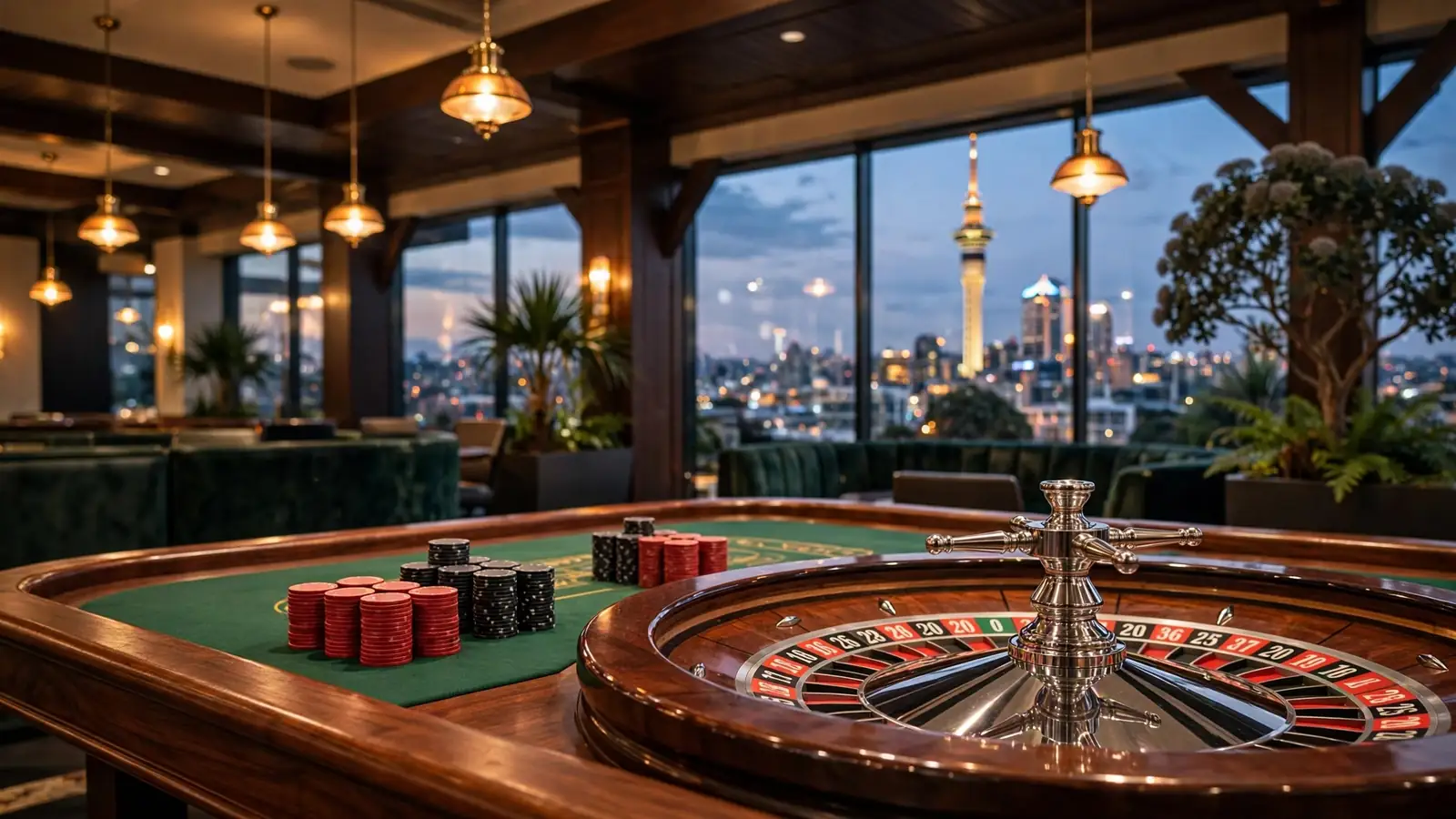
The maximum-bet condition can affect whether a bonus remains eligible. A player who exceeds the stated cap may risk having the promotion or associated winnings voided under its rules. The deadline creates a separate constraint: any qualifying activity must be completed within the period specified by the operator. If the terms do not make either condition clear, the headline amount is not enough to calculate the offer’s practical value.
Check the code before relying on it
A code should be assessed against the conditions attached to that exact promotion. Relevant points include whether the code is accepted for the account, how long it remains valid, what restrictions apply while the bonus is active, and what must be completed before withdrawal. A code appearing on a third-party page does not, by itself, establish that the operator still accepts it or that its description matches the current terms.
There is also an identity check at the payment stage. Every operator requires identity documents before a first withdrawal. A balance displayed in an account is therefore not the same as an approved payout: documents must be provided and the operator must complete its checks before the first withdrawal can proceed.

For Auckland, casino gaming is restricted to people aged 20 and over. That entry-age rule is distinct from a promotion’s eligibility conditions; satisfying one does not establish that a particular code can be used or that its requirements have been met.
The useful comparison is not between two headline chip values. It is between the conditions attached to each offer: the active-bonus bet limit, the completion deadline, code eligibility and the withdrawal verification requirement. Until those terms are clear, the advertised amount is a promotional figure, not a reliable measure of cash value.
What are the wagering requirements for the welcome package?
Welcome-package wagering is typically 35x to 40x the bonus, though some operators calculate it on the deposit plus bonus. Slots usually contribute fully, while table games may contribute less or not count.
Is it legal for New Zealanders to play at offshore online casinos?
Yes, New Zealanders are not criminalised for playing at offshore online casinos. The rules govern operators: from 1 December 2026, operators without a valid licence cannot continue serving New Zealand customers.
What are the limits?
Casino gaming is restricted to people aged 20 and over. For Class 4 machines in pubs and clubs, the maximum stake is NZ$2.50 per play.
Is verification required?
Yes. Operators require identity documents before your first withdrawal; SkyCity requires documents during registration, while some other platforms verify after a deposit.
Created by the ”Casino Slots Tips NZ” editorial team.